I hear it all the time: “I just have a small bladder.” After all, everyone around you also seems to have a small bladder, so it must be normal, right? What starts as a mild inconvenience often goes ignored for decades… until suddenly, you’re unable to leave the house without worrying about leaking, or you’re avoiding drinking water when you’re out so you don’t have to run to the bathroom. Eventually, it starts affecting your normal activities and your quality of life.
The truth is, your bladder isn’t actually physically “small” – there are other factors at play.
If my bladder is not “small”, why do I have to go so often?
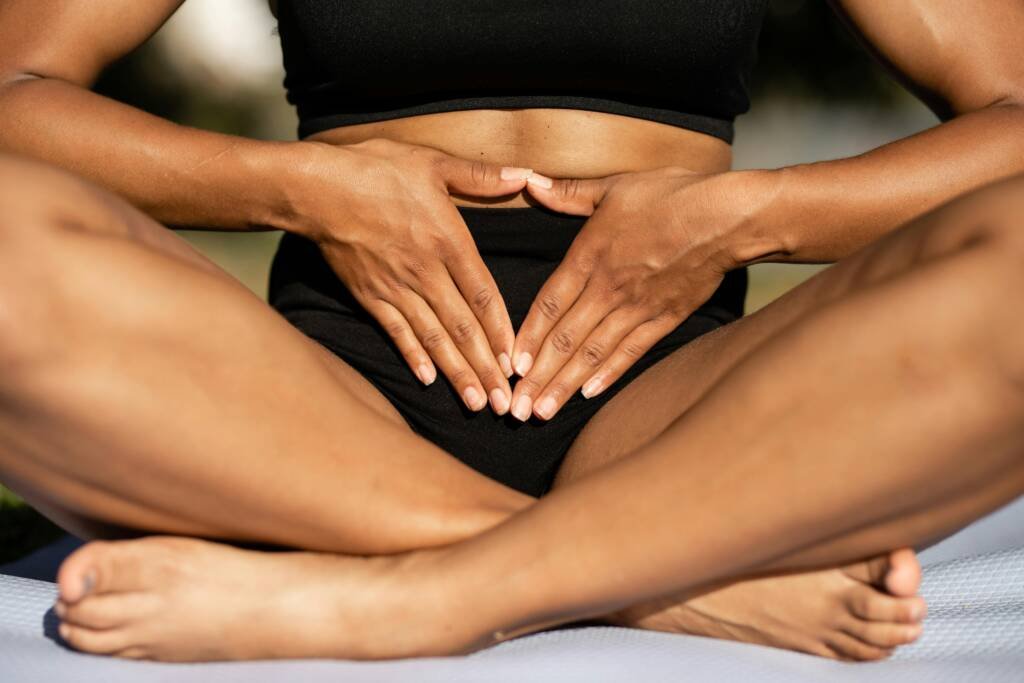
We have muscles at the base of our pelvis called the pelvic floor. Most of us treat our pelvic floor like a passive structure – it’s simply just there. We don’t think about it, and sometimes we don’t even know it exists. But these muscles have multiple important functions, one of which is supporting and communicating with your bladder. If your pelvic floor is too tight, too weak, or uncoordinated, your bladder can get mixed signals.
It’s not just about the pelvic floor muscles themselves, but also your bladder habits. Your bladder should be able to hold approximately 400–600 mL before signaling a strong urge to go. However, your bladder learns when to go based on what you teach it. If you constantly teach it to empty at a smaller volume – for example, at 150 mL – you’re teaching it that the next time it hits 150 mL, it’s time to go.
Think about all the times you’ve forced yourself to use the bathroom because you were leaving the house, or “just in case” you wouldn’t be able to go later on. I don’t think I’ve had a single patient who hasn’t admitted to doing this regularly. Your body has an amazing way of trying to make things more efficient through these reflexes, and it’s just doing what you taught it to do. The good news is, what was previously trained can be retrained with a few simple steps!

Where to start:
- Can you consciously contract and relax your pelvic floor muscles? Try squeezing the muscles you would use to stop the flow of urine. Did they contract without your thighs coming together or your abdominals kicking in? Now inhale through your belly and try to relax or gently lower your pelvic floor muscles. How much awareness do you have of this area? It takes some practice, but if you’re struggling, a pelvic floor therapist can manually guide you through the process.
- Track your bathroom habits for two days. Take note of how often you’re urinating — if it’s more than seven times per day, it may be worth paying attention. Measure how much you’re voiding each time, and notice if you’re consistently emptying volumes under 350 mL. If you’re only passing small amounts, your bladder may be in the habit of emptying too often.
What to do next:
- Pelvic floor exercises. Exercises that strengthen and relax the pelvic floor will help regulate the relationship between the bladder and the pelvic floor muscles. Certain exercises will be more beneficial depending on the current state of your pelvic floor, as well as your lifestyle and activities – this can be assessed with a pelvic floor physiotherapist.
- Retrain your bladder by gradually delaying how often you use the bathroom. Start by holding it an extra 5–10 minutes, then gradually increase this time as you build more confidence in your body. During those 5–10 minutes, try distracting yourself with a task or doing some pelvic floor contractions. I recommend practicing this exercise when a bathroom is close by, so you can stay relaxed and build confidence in delaying. The goal is to always move calmly when using the bathroom, even when the urge is strong – avoid rushing or moving too quickly, which can increase risk of leakage.
- Don’t go “just in case”! Start treating bathroom trips as a conscious choice. If you went 30 minutes ago and haven’t had any fluids since, do you really need to go again, or is it a signal your bladder can ignore? Try resisting the urge and see if it fades. It might feel uncomfortable at first, but as you gradually hold your bladder a little longer each time, your body enters a positive feedback loop. Holding becomes easier, more comfortable, and you gain confidence, allowing you to extend the time even further.
- Pay attention to any possible triggers. Are you heading to the bathroom out of habit every time you enter your house? Do you notice that you didn’t feel the urge until you opened the door? Your bladder hasn’t suddenly filled – it has simply learned to associate entering the house with urinating. Break this habit, and your body will relearn when to signal you appropriately.
- Reduce bladder irritation. Try limiting smoking, alcohol, caffeine, carbonated beverages, spicy foods, artificial sweeteners, vinegar, and tomato-based products, and see if any of your symptoms improve. Most importantly – stay hydrated! You might be thinking, you won’t have to go to the bathroom if you stop drinking water, right? What you don’t know is that this actually increases the concentration of your urine, causing more bladder irritation and urgency.
Disclaimer: Bladder delay exercises aren’t right for everyone. If you have a UTI, kidney issues, or other bladder-related conditions, check with your healthcare provider first.
Need more guidance?
A pelvic floor physiotherapist can provide an assessment and give you direct guidance on what would benefit your body the most. Early intervention is key, and preventing issues is always easier than fixing them later. What might start as a mild inconvenience can gradually affect your quality of life if left unaddressed. If your goal is to stay confident, comfortable, and free for as long as possible, even just a couple of sessions can give you the knowledge and tools to prevent future issues.